
Forty-three Seats. One Safer Community
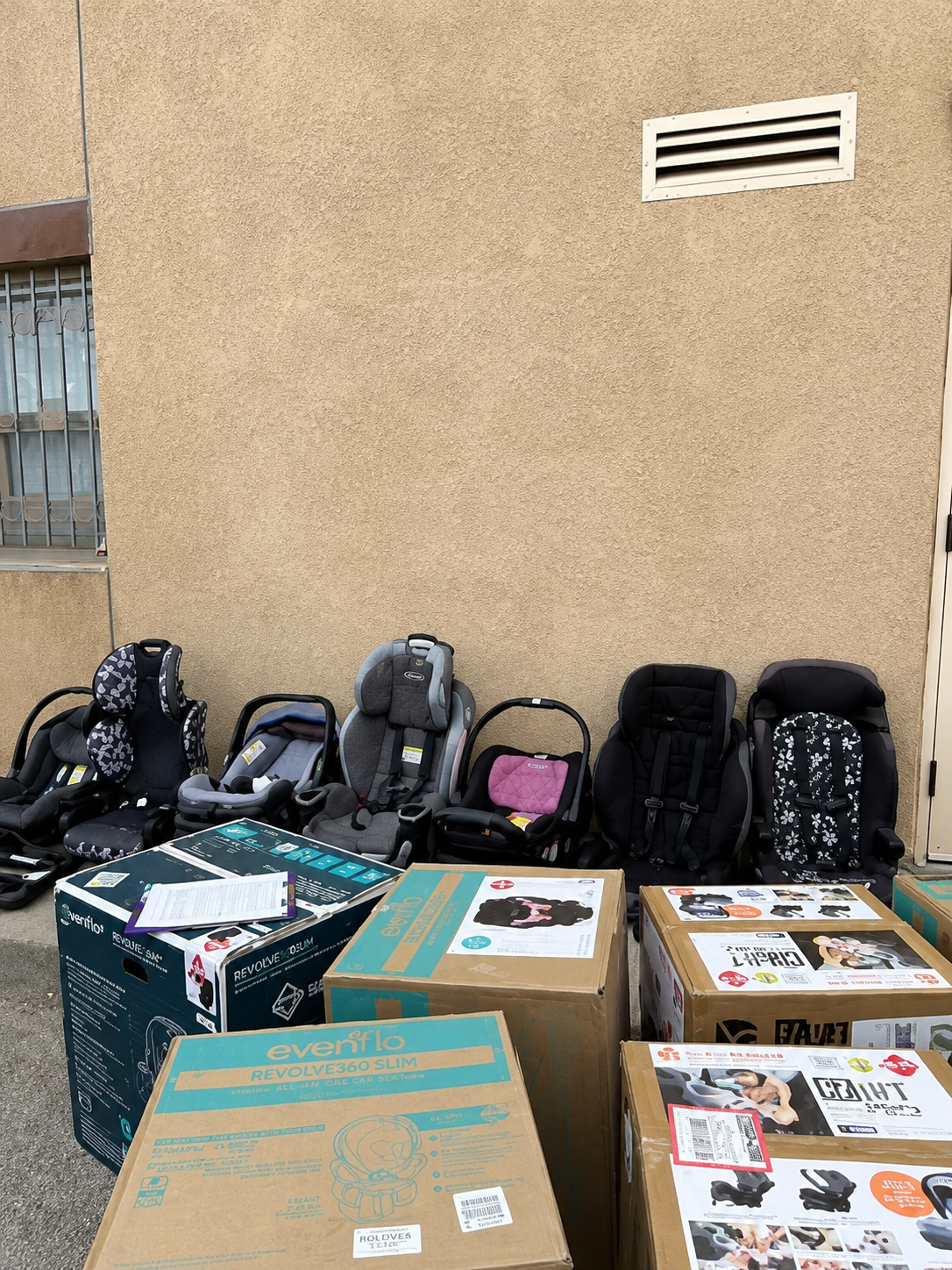
Car seats and booster seats are often used incorrectly, which can make them less effective. Researchers who observed children riding in cars estimated that 46% of car seats and booster seats are used in a way that could reduce their effectiveness, according to the US Center for Disease Control and Prevention (CDC). Could this be true for your car seat use? A question worth pausing over.
In late April, families in Santa Fe showed just how seriously they take that question. Families with young children arrived eagerly for a free car seat giveaway and installation event hosted by Las Cumbres Community Services. Led by the agency’s Qué Cute Healthy Baby and Family Support and Prevention programs, the event combined practical help with lifesaving education.
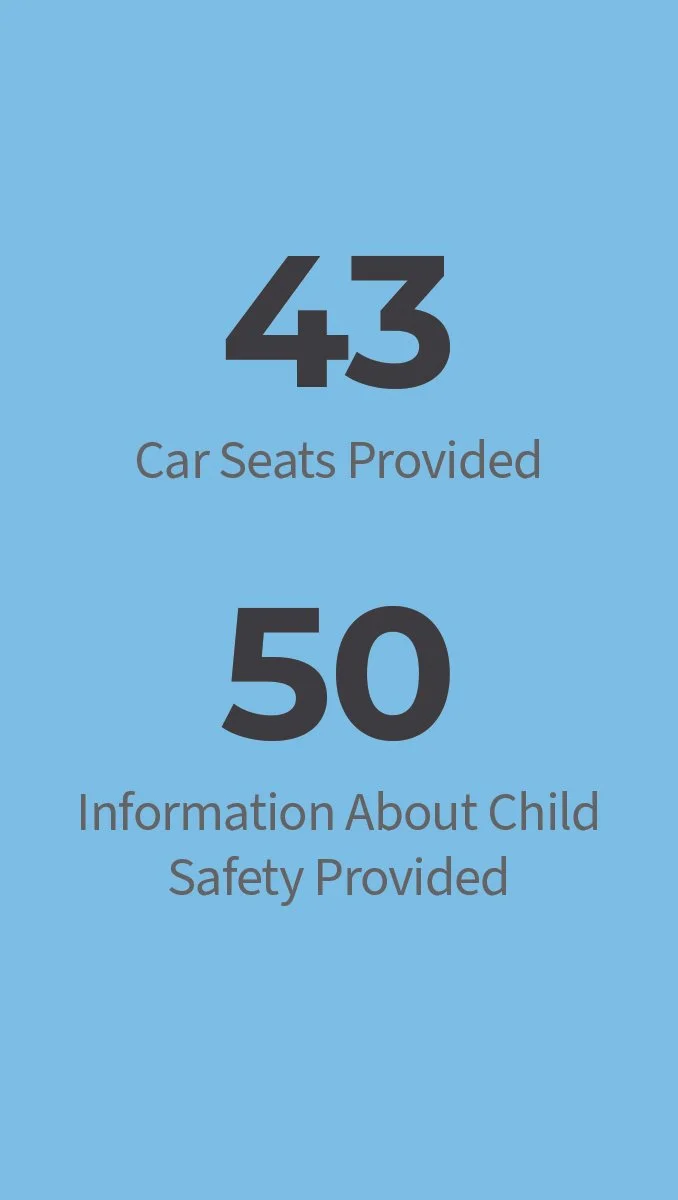
By the end of the day, 43 brand-new car seats had been professionally installed by a certified technician, ensuring each one was properly fitted and ready to protect a child on the road. Just as many older, worn, or expired seats were collected and safely disposed of—removing hidden risks many caregivers may not even realize exist.
“The families were lined up around the block!” shared Linnea Moreno, Director of Community Infant and Early Childhood Programs, as the event got underway. Demand was so high that a few participants had to be turned away—but only because their existing car seats passed inspection. Even then, every family left with updated safety information.
Events like this matter. Research shows correct installation and use of car seats reduces the risk for injury in a crash by 71–82% for children, the CDC goes on to state, when compared with seat belt use alone.
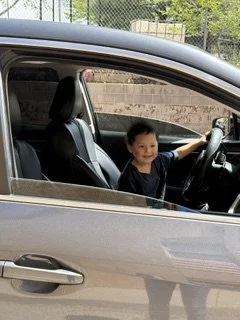
Beyond safety, the event also provided meaningful financial relief. For many families, a new car seat represents a significant expense — so receiving one at no cost means those resources can stretch further toward other household needs. A new car seat can cost hundreds of dollars—acquiring one for free means that money can instead go toward groceries, utilities, or other urgent needs.
Funded in part by NM Children Youth and Families Department, the initiative is one example of how community partnerships can meet families where they are—offering both immediate support and long-term protection.
Through efforts like this, families gain more than equipment; For 43 families, the drive home that day was a little different — and a little safer.